Vintage and second-hand clothing has become a mainstream market globally, driven by sustainability awareness, fashion nostalgia, and the appeal of unique pieces that cannot be found in fast fashion stores. In Sri Lanka, the domestic market for vintage and pre-loved clothing is growing, particularly in Colombo among young professionals and students, while the international market for Sri Lanka-sourced vintage pieces represents a significant export opportunity for sellers who understand what buyers abroad are looking for.
Sri Lanka sits at an interesting position in the vintage clothing market. The country receives substantial quantities of second-hand clothing imports, some of which include genuine vintage pieces from Western markets. Sri Lankan textile production history also creates a domestic supply of traditional textiles and garments with international appeal. A seller who develops sourcing skills, photography, and platform knowledge can build a profitable vintage clothing business serving both domestic and international buyers.
This guide covers how vintage clothing selling income works, where to source inventory, which platforms reach buyers, and the specific risks that trip up new sellers in this market.
What Is Vintage Clothing Selling?
Vintage clothing selling means acquiring pre-owned garments and accessories with resale value and selling them at a profit through online or offline channels. The term “vintage” technically refers to clothing from a specific era (typically 20 to 100 years old), but in practice the market includes any pre-loved, retro-aesthetic, or collectible garment that buyers are actively seeking.
The main categories relevant to Sri Lankan sellers:
Western vintage imports: Sri Lanka receives large quantities of second-hand clothing from Western markets through bale importers and charity donation flows. Within these shipments, experienced pickers can identify genuine vintage pieces (branded 1970s to 1990s garments, band merchandise, vintage denim, retro sportswear) with significant resale value in international markets.
Sri Lankan traditional textiles: Handloom fabrics, batik garments, traditional Kandyan dress components, and authentic Sri Lankan craft-based clothing have appeal to international buyers interested in South Asian heritage textiles. These items can be sourced locally and sold globally.
Local pre-loved fashion resale: Selling good-condition second-hand clothing domestically to budget-conscious buyers in Colombo and other urban centres. Lower margins than international export but requires no international shipping logistics.
Curated vintage accessories: Vintage bags, belts, jewelry, and footwear sourced from thrift markets and estate sales. Accessories have high margin potential relative to their purchase cost when correctly identified and marketed.
How Much Can You Earn from Vintage Clothing Selling?
Vintage Clothing Income Benchmarks
| Business Model | Monthly Revenue | Margin | Monthly Profit | LKR Equivalent |
|---|---|---|---|---|
| Domestic Instagram reseller (part-time) | LKR 60,000 to LKR 120,000 | 40 to 60% | LKR 24,000 to LKR 72,000 | Direct LKR |
| International platform seller (Depop/eBay) | $300 to $800 | 50 to 70% | $150 to $560 | LKR 45,750 to LKR 170,800 |
| Bale picking specialist (volume) | LKR 200,000+ revenue | 30 to 50% | LKR 60,000 to LKR 100,000 | Direct LKR |
| Premium vintage export specialist | $500 to $2,000 | 60 to 80% | $300 to $1,600 | LKR 91,500 to LKR 488,000 |
Exchange rate: 1 USD = approximately 305 LKR.
Vintage clothing income is highly variable because it depends on sourcing skill, identifying valuable pieces, and marketing to the right buyers. A seller who finds a genuine 1980s band T-shirt for LKR 200 and sells it internationally for USD 60 earns LKR 18,100 on a single item. Consistent sourcing skill is the core competency that determines income.
How Does Vintage Clothing Selling Work?
Step 1: Source inventory. Visit second-hand markets (Manning Market in Colombo, local charity shops, estate sales, bale importers in polas) with specific knowledge of what vintage pieces have resale value. Study what is selling on international platforms before sourcing so you know what to look for.
Step 2: Inspect and clean. Check garments for condition: stains, holes, fabric wear, and sizing labels. Vintage pieces with original tags command premium prices. Clean and press items before photographing. Condition is critical to pricing and buyer satisfaction.
Step 3: Research pricing. Before listing, search completed sales on eBay and Depop for the specific item. A 1990s Levi’s denim jacket in excellent condition might sell for USD 40 to USD 80. Understanding what the market actually pays prevents underpricing and overpricing equally.
Step 4: Photograph professionally. Flat lay or model photography on a clean background is the standard for vintage clothing platforms. Good photography directly affects conversion rate. Natural daylight, a neutral background, and multiple angles (front, back, detail shots of labels and any flaws) are the standard.
Step 5: List on appropriate platforms. Domestic sales through Instagram, Facebook Marketplace, or Takas. International sales through Depop, eBay, or Etsy (for traditional textiles). Each platform has different fee structures, audience demographics, and shipping requirements.
Step 6: Ship and collect payment. Domestic deliveries through PickMe Flash, Grab Express, or Sri Lanka Courier Services. International shipping through Sri Lanka Post EMS or DHL, with Customs Form CN22/CN23 completed accurately. Payment via Payoneer (for international platforms), local bank transfers (for Instagram sales), or Cash on Delivery through courier services.
What Skills Do You Need for Vintage Clothing Selling?
Product knowledge and eye for value: Knowing what vintage brands, eras, and styles have resale value is the most important skill. This requires studying sold listings on eBay, Depop, and Vinted to understand what buyers pay for, and developing pattern recognition for spotting valuable pieces among ordinary second-hand clothing.
Condition assessment: Understanding fabric quality, identifying genuine versus reproduction vintage pieces, assessing stain removability, and grading condition accurately (Excellent, Very Good, Good, Fair) is essential for accurate listings and avoiding buyer disputes.
Photography skills: Vintage clothing sells on its visual presentation. Learning basic product photography with natural light, a clean background, and accurate color representation is a practical requirement. A smartphone camera is sufficient with correct technique.
Pricing research: Using eBay’s “Sold Listings” filter, Depop’s sold items search, and comparable listings to price accurately. Overpricing results in unsold inventory. Underpricing leaves money on the table.
Shipping and logistics knowledge: Understanding international shipping rates, customs documentation, and packaging requirements for fragile or delicate garments. Incorrect customs forms cause delays and returns. Undersized packaging damages items in transit.
Customer communication: Responding to buyer enquiries promptly, handling returns professionally, and maintaining positive reviews is essential for platform visibility and repeat business.
How to Get Started with Vintage Clothing Selling in Sri Lanka
Step 1: Study what sells. Before spending a single rupee on inventory, spend 2 to 3 weeks on Depop, eBay, and Instagram studying what vintage clothing sells, at what prices, and why. Search for Sri Lanka-specific resellers to see what is working in the local market.
Step 2: Start with a small sourcing run. Visit Manning Market, local charity shops, or a pola with LKR 2,000 to LKR 5,000. Focus on acquiring 5 to 10 pieces in excellent condition that match what you identified as sellable in Step 1. Do not buy in volume until you understand what your market wants.
Step 3: Create an Instagram business account. The domestic Sri Lankan vintage market runs primarily on Instagram. A dedicated account with consistent photography style, clear pricing in post captions, and an active DM inbox for enquiries is the standard sales channel. Use relevant hashtags: #vintagelk, #vintagesrilanka, #secondhandlk, #thriftlk.
Step 4: Create a Depop account for international sales. Depop requires a PayPal account for payments. PayPal has limited functionality for Sri Lankan sellers (receiving money is restricted). Use Wise with a US or UK virtual bank account as an alternative receiving method, or partner with a friend or family member abroad to receive Depop payments.
Step 5: Price with research, not guesswork. Every item you list should be priced based on researched comparable sold listings. Include your sourcing cost, cleaning time, photography time, platform fees (10% on Depop, ~13% on eBay with PayPal fees), and shipping cost in your pricing calculation.
Step 6: Build inventory before promoting. A 20 to 30 item selection creates a compelling shop experience. Customers who visit a store with 3 items rarely buy. Build inventory to a viable catalogue before actively promoting your shop.
How to Learn Vintage Clothing Selling
Free resources:
- Depop Seller Guide (depop.com/sell): Official guide on listing, photography, pricing, and shipping. Directly applicable to building an international vintage shop.
- YouTube — The RealReal and Poshmark seller channels: Free video content on vintage identification, pricing, and photography techniques from active resellers.
- r/Flipping and r/Depop (reddit.com): Active communities discussing what sells, pricing strategy, and sourcing techniques from experienced vintage resellers.
Paid learning:
- eBay’s seller academy (ebay.com/sellercenter): Free training from eBay’s official seller center on listing optimization, pricing strategy, and international shipping. Free to access.
Pros of Vintage Clothing Selling
Low startup capital required. Beginning with LKR 3,000 to LKR 10,000 in sourcing budget is viable. Unlike dropshipping or e-commerce businesses that require larger initial investment, vintage reselling can start small and scale as profits are reinvested.
Sri Lanka has direct access to bale sourcing. Manning Market and bale importers give Sri Lankan sellers access to Western second-hand clothing at very low prices. A USD 2 purchase that becomes a USD 50 international sale represents a margin percentage that most product businesses cannot match.
Growing domestic market. The Sri Lankan young adult demographic, particularly in Colombo, has adopted second-hand and vintage fashion as both a budget choice and an identity statement. The domestic market is growing without requiring international shipping logistics.
Inventory never produced at a loss. Unlike digital products or services where creating the product takes significant time with no guaranteed return, every piece of vintage clothing purchased for resale has a recoverable value. Even slow-selling items can be donated, sold at a discount, or held until the right buyer appears.
Skill compounds into sourcing expertise. Experienced vintage pickers can identify valuable items faster and more accurately than beginners. This expertise is a durable competitive advantage that is difficult for new sellers to replicate quickly.
Cons of Vintage Clothing Selling
Income is inconsistent and inventory-dependent. Revenue depends on continuous sourcing. If sourcing stops, inventory depletes and income drops. Unlike service-based freelancing where skills are the product, vintage reselling requires ongoing physical inventory acquisition.
International shipping from Sri Lanka has friction. Sri Lanka Post EMS is the most affordable international shipping option but has variable delivery times. DHL and FedEx are reliable but expensive, which reduces margins on lower-value items. Buyers from North America and Europe expect tracking and reasonable delivery times, which adds complexity and cost.
PayPal limitations affect international platform access. Depop and eBay primarily operate with PayPal, which has limited receiving functionality for Sri Lankan sellers. Workarounds (Wise virtual accounts, family abroad) exist but add friction to the payment process.
Counterfeits and misrepresentation risk. Selling a reproduction vintage piece as genuine creates legal and reputational risk. Returning incorrect items damages platform reviews and triggers disputes. Developing authentication knowledge for the brands and eras you sell in is a prerequisite for international selling.
Storage, cleaning, and logistics require physical space and time. Vintage clothing inventory requires physical storage space, cleaning capability, and packaging materials. This is a physical product business, not a purely digital income method.
Best Platforms for Vintage Clothing Selling
Instagram (Domestic Sri Lanka)
The primary platform for domestic Sri Lankan vintage clothing sales. Direct buyer communication via DMs, cash payment or bank transfer, and delivery via local courier. No platform fees. Zero requirement for international shipping.
- Fees: None (platform-side)
- Best for: Domestic sales, building a local following, lower-priced items
Depop
International vintage and second-hand clothing marketplace popular in the UK, US, and Australia. The preferred platform for reaching younger international buyers seeking vintage pieces.
- Commission: 10% on sales
- Payment: PayPal (workaround required for Sri Lanka)
- Best for: International vintage selling, branded pieces, retro fashion
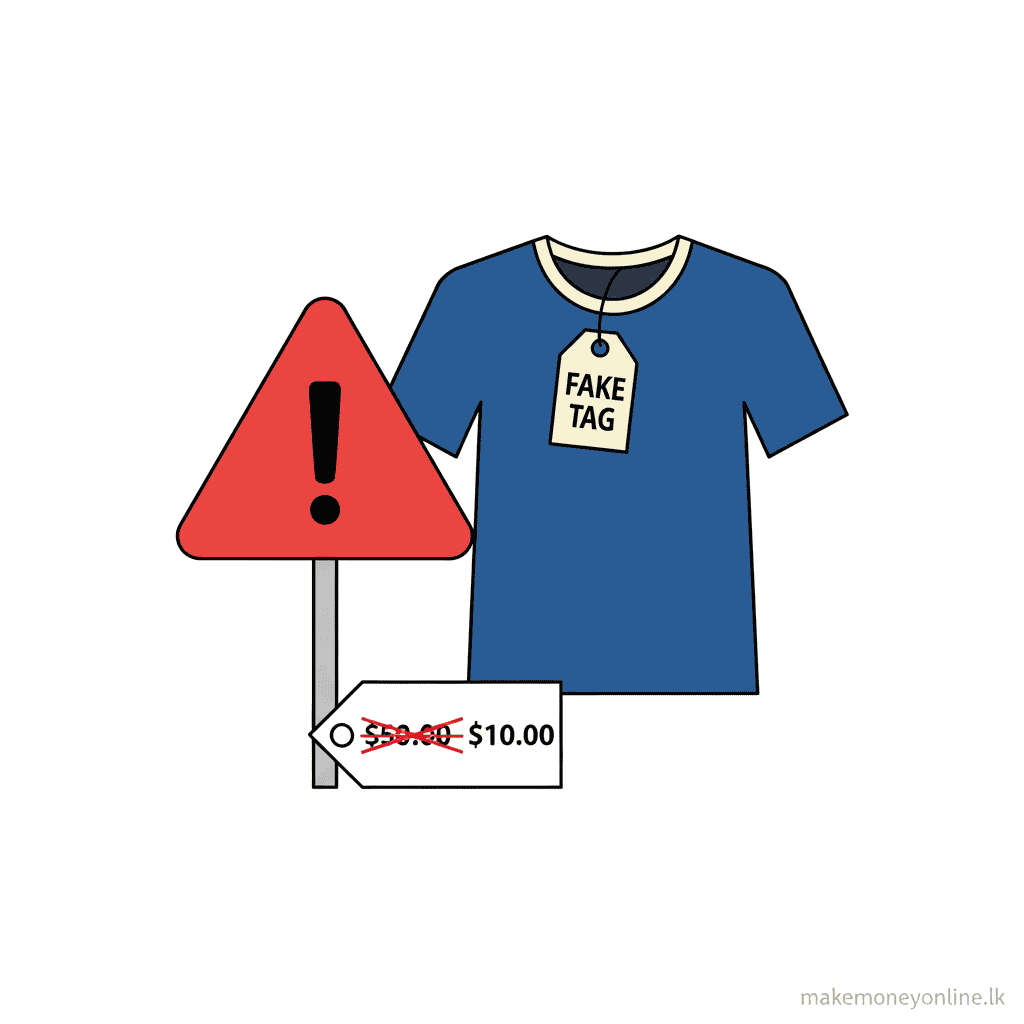
Scam Alerts: Vintage Clothing Red Flags
Fake “Vintage” Wholesale Supplier Scams
Social media advertisements and websites offering wholesale lots of “authenticated vintage clothing” for import to Sri Lanka are frequently fraudulent. They collect payment, ship poor-quality items or nothing at all, and disappear. Never purchase wholesale vintage inventory from a supplier you have not verified through traceable references, physical inspection, or an established platform with buyer protection.
PayPal “Overpayment” Buyer Scams
A buyer contacts you on Instagram, agrees to your price, then sends a PayPal payment for significantly more than the agreed amount and asks you to ship the item and refund the difference. The original payment later reverses (PayPal’s buyer protection is strong, which fraudulent buyers exploit). Never ship items before payment clears, and never refund overpayments from new buyers before funds are confirmed.
Fake Authentication Services
Third-party “vintage authentication” services that charge fees to certify your items as genuine are not a recognized or necessary part of mainstream vintage selling. Major platforms have their own authentication services for high-value luxury items. Private third-party services selling “authentication certificates” for ordinary vintage clothing serve no purpose recognized by buyers or platforms.
“Agent” Middleman Schemes
Individuals offering to “export” your vintage inventory to international buyers on your behalf, requiring you to send them your stock first, are not legitimate export agents. Legitimate export processes involve direct seller-to-buyer transactions through recognized platforms. Sending inventory to an unknown “agent” without a written, legally enforceable contract typically results in lost inventory.
Final Verdict: Is Vintage Clothing Selling Worth It for Sri Lankans?
Vintage clothing selling is a genuine income method for Sri Lankans who enjoy fashion, have a good eye for value, and are willing to invest time in sourcing and photography. The domestic market provides an accessible starting point without international shipping complexity, while the international market rewards sellers who develop genuine vintage identification skills.
The income ceiling depends on sourcing access, available capital, and time investment. Part-time domestic Instagram reselling generates LKR 30,000 to LKR 70,000 per month for a consistent seller. International platform selling with strong sourcing and photography can significantly exceed this for experienced operators.
This method suits you well if:
- You have an interest in fashion and an eye for identifying desirable clothing
- You have access to sourcing markets (Manning Market, polas, charity shops)
- You can invest time in photography and platform management
- You are comfortable with physical inventory management and shipping logistics
This method may not suit you if:
- You prefer digital or service-based income with no physical inventory
- Your storage space is very limited
- You cannot invest initial capital in sourcing inventory
For related e-commerce income methods, see the guide on reselling goods in Sri Lanka and the overview of handmade crafts in Sri Lanka for related physical product income approaches.